
Golf Grips Guide: How to Choose and When to Regrip Your Clubs
Posted by Dallas Golf on 27 Jul 2026
Grips are the only part of the club you actually touch, yet they're often the last thing golfers think about when it's time to upgrade equipment. Worn, slick, or ill-fitting golf grips can quietly cost you distance and accuracy no matter how good your clubs are underneath them. Here's how to choose the right grip and how to tell when it's actually time to regrip your clubs.
Why Grips Matter More Than Most Golfers Think
A worn or wrong-size grip forces you to hold the club tighter than you should, which tightens your forearms and reduces the natural wrist hinge and release that generates clubhead speed. That extra grip pressure is one of the most common, and most overlooked, swing faults we see — and it's often a grip problem, not a technique problem. Fresh, properly sized grips let you hold the club more lightly and swing more freely, which usually shows up immediately as better tempo and more consistent contact.
Choosing the Right Grip Size
Grip size is typically categorized as undersize, standard, midsize, and jumbo, and choosing correctly comes down to hand size and personal preference for how much the grip fills your palm. A grip that's too thin can encourage excess hand action and a tendency to hook the ball, while a grip that's too thick can restrict wrist hinge and lead to a blocked or pushed shot pattern. Golfers with larger hands or those managing arthritis often benefit from a midsize or jumbo grip, since it reduces the need to squeeze as hard to maintain control.
Rubber vs Corded vs Hybrid Grip Materials
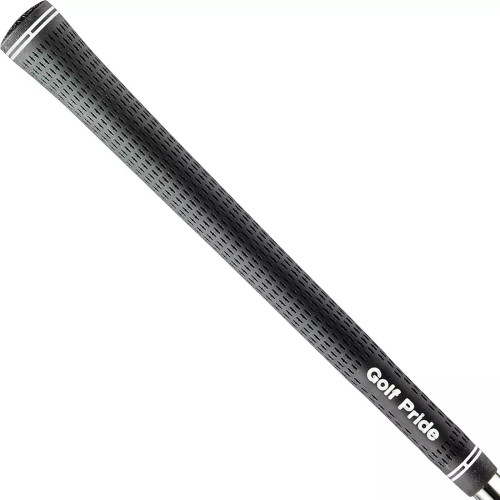
Standard rubber grips, like the option pictured below, offer a smooth, consistent feel and tend to be the most affordable option, making them a solid default for most golfers. Corded grips add texture through woven fiber in the rubber compound, which improves traction in wet or humid conditions and for golfers who tend to grip down with sweaty hands. Hybrid grips blend a smoother lower section with a corded upper section, aiming to combine feel with grip security in a single design.
How Often Should You Regrip Your Clubs?
A common rule of thumb is once a year for golfers who play and practice regularly, or after roughly 40 rounds, though climate and storage matter as much as usage. Golfers who play in hot, humid climates or store clubs in a hot car trunk will see grips harden and crack faster than golfers in milder conditions. If you play year-round in a warm climate, it's worth regripping every six months rather than waiting for the standard annual mark.
Signs It's Time for New Grips
Shiny, smooth patches where your hands normally sit are the clearest sign a grip has worn past its useful life, since that lost texture directly reduces traction. Hardened, slick rubber that no longer compresses softly under your fingers is another reliable signal, even if the grip doesn't look visibly damaged. If you notice yourself gripping the club tighter than you used to just to feel secure, it's usually a grip problem rather than a change in your swing.
Shop Golf Grips at Dallas Golf
Dallas Golf carries a wide selection of golf grips in multiple sizes, materials, and textures, including standard, midsize, and corded options from the major grip manufacturers. If you're not sure which size or texture fits your hands best, our club fitting team can help you test a few options before committing to a full set of regrips.
Don't Forget Your Wedges and Putter
It's easy to focus on iron and driver grips and forget that wedges and putters wear too, often faster than the rest of the bag since they're used on nearly every shot around the green. Wedge grips tend to see more moisture from greenside rough and sand, which can accelerate wear compared to full-swing clubs. Putter grips are a slightly different category, since size and texture preference plays a bigger role in feel and stroke control than in the rest of the bag, so it's worth trying a few options rather than assuming your standard grip preference carries over.
Frequently Asked Questions
How do I know what size golf grip I need?
Grip size is generally based on hand size and glove size, but personal preference and any hand or joint issues should also factor into the decision. A fitting can help confirm the right size for your hands.
How often should I regrip my golf clubs?
Most golfers should regrip once a year or after about 40 rounds, though frequent players or those in hot, humid climates may need to regrip more often.
What's the difference between corded and rubber grips?
Corded grips include woven fiber for extra traction in wet or humid conditions, while standard rubber grips offer a smoother, softer feel that many golfers prefer in dry conditions.
Can grip size affect my ball flight?
Yes. Grips that are too thin can promote extra hand action and a hook, while grips that are too thick can restrict wrist release and lead to a blocked or pushed shot.
Should I regrip my clubs myself or have it done professionally?
Regripping can be done at home with the right solvent and tape, but a professional regrip ensures correct alignment and consistent tackiness across every club in the set.
Ready to refresh your feel? Shop golf grips at Dallas Golf or ask about a fitting to find the right size and texture for your hands.