
Graphite vs Steel Iron Shafts: Which Is Right for Your Swing?
Posted by Dallas Golf on 23 Jul 2026
It's one of the most common questions we hear on the fitting bay floor: graphite vs steel iron shafts — which one should actually be in your irons? The honest answer is that neither material is universally better; they solve different problems depending on your swing speed, joint health, and what you're trying to get out of your ball flight. Here's how the two compare and how to figure out which one fits your game.
Why Shaft Material Matters More Than You Think
The shaft is often called the engine of the golf club, and that's especially true in irons, where consistency across a full set matters as much as any single number on a spec sheet. Material affects total weight, how the shaft loads and releases energy through the downswing, and how much vibration reaches your hands at impact. Two irons with identical heads can feel and perform completely differently depending on whether they're built with steel or graphite.
Steel Iron Shafts: Feedback, Control, and Consistency
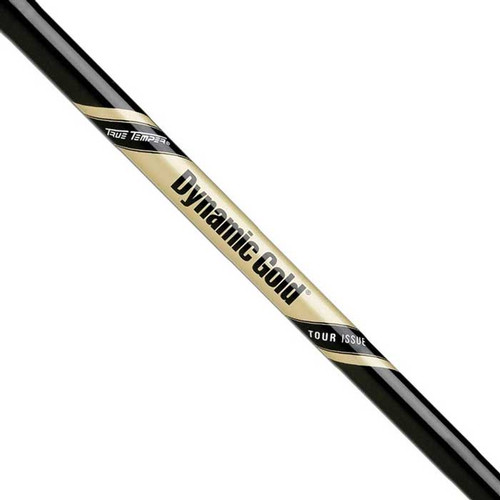
Steel remains the standard in better-player and players-distance iron sets for good reason. It offers more direct feedback at impact, tends to produce a lower, more penetrating ball flight, and is generally more consistent from shaft to shaft since the manufacturing tolerances are tighter than graphite. Steel shafts are also heavier, which can help faster-swinging, more aggressive players control trajectory and dispersion, but that added weight can be a real liability for golfers who struggle to generate clubhead speed.
Graphite Iron Shafts: Lighter Weight, Less Vibration
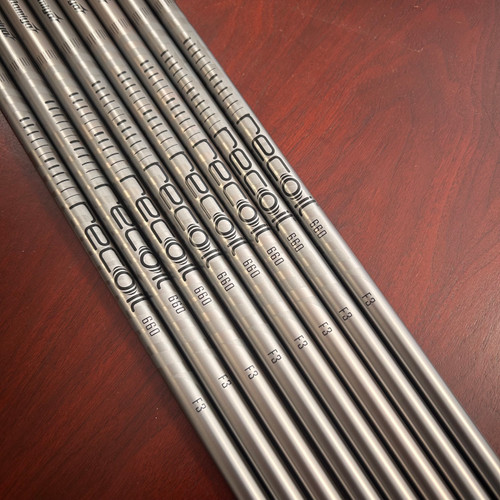
Graphite shafts have improved dramatically over the last decade, moving well beyond the "senior shaft" reputation they once had. Modern graphite iron shafts, like the option pictured below, are engineered to control torque and dispersion much more tightly than older designs while still delivering meaningfully lighter overall weight than steel. That weight savings often translates directly into more clubhead speed and higher launch, and the graphite construction also dampens vibration, which matters for golfers dealing with elbow, wrist, or shoulder discomfort.
Who Should Play Graphite vs Steel
Golfers with slower swing speeds, or those managing joint pain from arthritis or old injuries, are usually better served by graphite, since the lighter weight and reduced vibration can add both speed and comfort. Faster-swinging players who want maximum control and the most consistent feedback from shot to shot often still prefer steel, especially in the scoring clubs where precision matters most. There's no hard swing-speed cutoff where one material suddenly becomes wrong for you — it's a blend of speed, feel preference, and physical comfort.
Mixed Sets: Is That a Good Idea?
Combo sets, where long irons or hybrids are built with graphite and short irons stay in steel, have become increasingly common and for good reason. This setup can add forgiveness and speed on the harder-to-hit long irons while preserving the feel and control of steel in the wedges and scoring irons. It's a legitimate strategy worth discussing during a fitting rather than something to avoid just because it isn't a "matched" set in the traditional sense.
Get Fit for the Right Shaft
Weight, flex, and launch characteristics all need to work together across your full set, and guessing at the right shaft material based on general advice can leave real distance and consistency on the table. Dallas Golf's club fitting team can test both graphite and steel options in your current iron heads so you can feel the difference directly before committing to a full set.
Shop Iron Shafts at Dallas Golf
Browse our full selection of iron shafts in both graphite and steel, or explore complete iron sets already built with the shaft option that fits your game.
Torque and Flex: What Else to Check
Beyond material, torque and flex play a major role in how a shaft performs, especially in graphite where torque ratings vary more widely than in steel. Lower torque generally means a more stable feel for faster or more aggressive swings, while higher torque can help slower swings load and release the club more easily. Flex should be matched to your swing speed and transition, but don't assume a stiffer flex is always better — too much stiffness can just as easily cause a weak, low ball flight as too little.
Frequently Asked Questions
Are graphite iron shafts good for low handicappers?
Yes, modern graphite shafts have improved enough that some low-handicap and even tour players use them, particularly in longer irons where extra speed and forgiveness are valuable.
Do steel shafts last longer than graphite?
Steel shafts are generally more durable and resistant to damage over time, while graphite shafts can be more susceptible to cracking from impacts against cart paths or other hard surfaces.
Will switching to graphite shafts add distance?
Many golfers do gain distance from switching to graphite due to the lighter overall weight increasing clubhead speed, but the actual gain depends on your current swing speed and tempo.
Can I mix graphite and steel shafts in the same set?
Yes, combo sets with graphite in the long irons and steel in the short irons are a common and effective strategy for balancing forgiveness with control.
How do I know which shaft material is right for me?
The most reliable way is a club fitting, where you can hit both materials in the same head and directly compare launch, spin, feel, and dispersion.
Ready to decide? Explore iron shafts at Dallas Golf or book a fitting to compare graphite and steel side by side.