
Project X HZRDUS vs Denali Shaft: Which One Fits Your Driver?
Posted by Dallas Golf on 24 Jul 2026
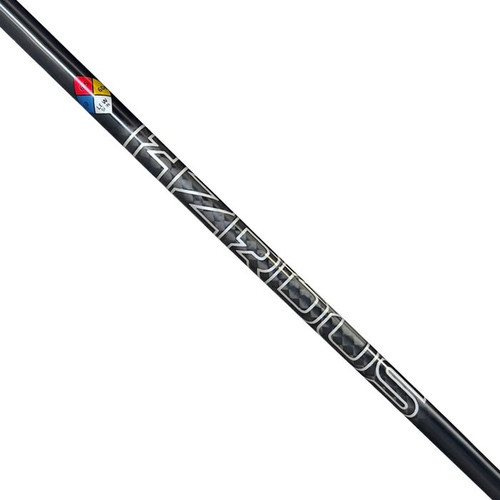
Project X makes two of the most popular driver shafts on the market, and golfers frequently ask us the same question: should I play Project X HZRDUS vs Denali? Both shafts come from the same manufacturer and share some DNA, but they're built around different swing profiles and launch goals. Here's how they actually compare, and how to figure out which one belongs in your driver.
Two Different Philosophies from Project X
HZRDUS shafts were built around a low-spin, stable-tip design originally developed for faster-swinging, more aggressive players who were spinning the ball too much with standard shafts. Denali, by contrast, was designed as a smoother-feeling, slightly higher-launching shaft aimed at a broader range of swing speeds, without sacrificing the stability Project X is known for. Neither shaft is objectively "better" — they're built to solve different problems for different swings.
Project X HZRDUS: Low Spin, Tour-Proven Stability
The HZRDUS line, including the current Gen 5 Black, uses a stiff tip section and a distinctive black finish that's become one of the most played shafts on tour. It's built for players who generate high spin naturally and need a shaft that actively fights that spin to keep the ball flight penetrating and controlled. Golfers who tend to balloon their drives in the wind, or who already carry the ball well but lose distance to excess spin, are the best fit for HZRDUS.
Project X Denali: Smoother Feel, Different Launch Window
Denali shafts feel noticeably smoother through the transition and into impact compared to HZRDUS, with a slightly more active tip section that helps players who need a bit more help getting the ball airborne. It still carries Project X's signature stability through impact, but the launch and spin characteristics are tuned differently — generally landing in a mid-launch, mid-spin window rather than the low-launch, low-spin category HZRDUS is known for.

Comparing Launch, Spin, and Feel Side by Side
If you already launch the ball high and spin it too much, HZRDUS is the more likely fit, since it's built to flatten trajectory and reduce spin more aggressively. If your miss is a weak, low ball flight that doesn't carry far enough, Denali's slightly higher launch window may serve you better. In terms of feel, HZRDUS tends to feel firmer and more "boardy" through the hitting area, while Denali feels a step smoother without going as soft as a purely counterbalanced design.
Which Shaft Fits Your Swing?
Swing speed alone doesn't tell the whole story — tempo, transition, and where you tend to miss matter just as much. A slower-tempo player with a smooth transition might actually do better in a stiffer HZRDUS profile than the flex number alone would suggest, while an aggressive, quick-transition player might need Denali's slightly softer feel to avoid feeling like they're fighting the shaft. This is exactly the kind of nuance that's hard to figure out from a spec sheet alone.
Get Fit Before You Buy
Because both shafts are available across multiple weights and flexes, guessing based on your handicap or swing speed alone is a common way to end up with the wrong shaft. Dallas Golf's club fitting service can put both HZRDUS and Denali in your current driver head so you can compare launch, spin, and feel directly, rather than relying on marketing copy.
Shop Driver Shafts at Dallas Golf
Browse the full lineup of custom shafts at Dallas Golf, including Project X HZRDUS and Denali options, or explore complete driver setups built around the shaft that fits your swing.
Weight and Flex Options to Consider
Both HZRDUS and Denali are offered across a range of weights, typically from the mid-50 gram to mid-70 gram range, along with standard flex options from Regular through X-Stiff. Lighter weights can help golfers who struggle with swing speed generate more clubhead speed, while heavier weights often improve control and consistency for faster-swinging players. Flex should be chosen based on transition speed and load, not just total swing speed, since two golfers with identical speeds can load a shaft very differently depending on tempo and sequencing.
Frequently Asked Questions
Is Project X HZRDUS a low-spin shaft?
Yes, HZRDUS shafts are specifically engineered to reduce spin and keep the ball flight flatter and more penetrating, making them a common choice for higher swing speed players who spin the ball too much.
Is Denali a good shaft for slower swing speeds?
Denali can work well for a range of swing speeds because it offers a slightly higher launch and smoother feel, but the correct weight and flex still need to be matched to your specific swing speed and tempo.
Can I put a Project X shaft in any driver head?
Most Project X driver shafts are available with an adapter and grip already installed to fit common driver hosels, but it's worth confirming compatibility with your specific driver before ordering.
What's the difference in feel between HZRDUS and Denali?
HZRDUS tends to feel firmer and more stable through impact, while Denali feels a step smoother through the transition without losing the stability Project X shafts are known for.
Do I need a fitting to switch shafts?
A fitting isn't required, but it's the most reliable way to confirm that a shaft change is actually improving your launch, spin, and dispersion rather than just changing how the club feels.
Ready to compare? Explore Project X shafts at Dallas Golf or book a fitting to test HZRDUS and Denali side by side.