
Scotty Cameron Putters Buying Guide: Finding Your Perfect Match
Posted by Dallas Golf on 22 Jul 2026
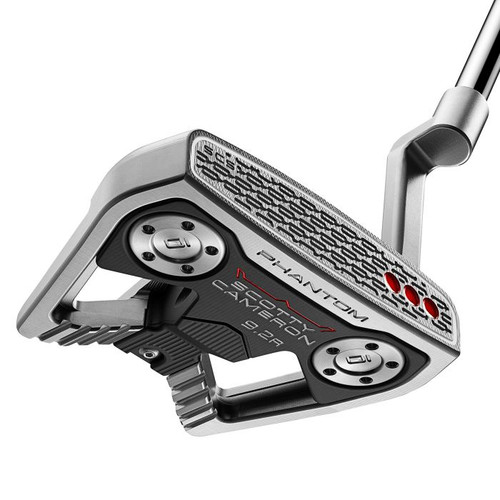
Few names carry the same weight on the greens as Scotty Cameron. If you're shopping for Scotty Cameron putters, you've probably noticed just how many options exist across the Phantom, Special Select, and Super Select lines — and how easy it is to pick the wrong one without understanding what actually separates them. This guide breaks down the current lineup, the head shapes that matter most for your stroke, and how to narrow the field before you buy.
What Makes Scotty Cameron Putters Different
Every Scotty Cameron putter is designed and tested with the same philosophy: soft, consistent feel paired with tour-proven geometry. Titleist's Scotty Cameron studio builds these putters with milled steel and carbon-composite faces that produce a distinct sound and feedback at impact, which is one of the biggest reasons tour pros stay loyal to the brand year after year. Beyond feel, Cameron's designs emphasize forgiveness through toe-hang and weighting variations, meaning there's a version built for nearly every stroke style — from a strong arc to a straight-back-straight-through path.
Comparing the Current Lineups: Phantom, Special Select, and Super Select
The Phantom series is Cameron's most technologically advanced line, built around a multi-material approach that combines aluminum, steel, and tungsten to move weight exactly where it's needed for each head shape. It's the line most tour players currently game, and models like the one shown below are built with adjustable weighting so you can fine-tune swing weight after your fitting.
Special Select putters lean more classic, with a single-piece stainless steel construction and a slightly softer, more traditional feel than the Phantom line. If you grew up playing a Newport or a Napa-style blade and don't want anything too modern-looking at address, Special Select is usually the better starting point. Super Select sits between the two, offering a deep-milled face and refined tuning-port weighting in shapes that still feel familiar to blade purists.
Matching Head Shape to Your Stroke
Before choosing a specific model, it helps to know your stroke type. Golfers with a strong arc — meaning the putter face rotates open on the backswing and closes through impact — typically play better with a toe-hang blade, since the head naturally wants to rotate with the stroke. Golfers with a straighter, more square-to-square path usually do better in a face-balanced mallet, which resists rotation and keeps the face square longer through the stroke. Mid-mallets split the difference and are a common recommendation for golfers who aren't sure which category they fall into yet.
Why a Putter Fitting Still Matters
Even within the Scotty Cameron lineup, length, lie angle, and loft can make a bigger difference in your results than which specific head you choose. A putter that's too long or too upright will push your eyes outside the ball at address, which throws off your aim on every single putt no matter how good the head shape is for your stroke. Dallas Golf's club fitting team can measure your stroke path, dominant eye, and setup posture, then match that data against the Scotty Cameron model that fits both your stroke type and your physical specs — not just your budget.
Shop Scotty Cameron Putters at Dallas Golf
Dallas Golf carries a wide selection of Scotty Cameron putters, including current Phantom, Special Select, and Super Select models in right- and left-hand configurations. Every putter ships from an authorized retailer, so you're never gambling on a grey-market club with a mismatched shaft or refinished face.
Grips, Headcovers, and Keeping Your Putter Dialed In
Once you've settled on a head shape, don't overlook the grip. Scotty Cameron putters are frequently sold with a stock pistol-style grip, but many golfers eventually switch to a thicker or oversized grip to quiet excess wrist action in the stroke. A slightly heavier grip can also shift the overall swing weight of the putter, which is worth discussing during your fitting rather than changing on your own after purchase. It's also worth storing your putter in a padded headcover when it's not in use, since the milled face and finish on a Scotty Cameron are more susceptible to bag chatter and cart damage than a standard cast putter head. A small amount of care goes a long way toward keeping both the look and the feel of the putter consistent for years.
Frequently Asked Questions
What is the difference between Scotty Cameron Phantom and Special Select putters?
Phantom putters use a multi-material head construction with adjustable weighting, giving fitters more control over swing weight and feel. Special Select putters are single-piece stainless steel with a more traditional look and a firmer, more classic feel at impact.
How much do Scotty Cameron putters typically cost?
Pricing varies by model and finish, but most current-release Scotty Cameron putters fall in a premium price range reflecting their milled construction and hand-finishing process. Limited and tour-only releases can cost significantly more than standard retail models.
Do I need a custom fitting to buy a Scotty Cameron putter?
A fitting isn't required to purchase, but it's strongly recommended. Length, lie angle, and head shape all affect performance, and a short fitting session can prevent you from buying a putter that doesn't match your stroke or setup.
What's the difference between a blade and a mallet putter?
Blades are more compact with less perimeter weighting, which tends to suit golfers with an arcing stroke. Mallets have more weight positioned around the perimeter or behind the face, offering more forgiveness and stability for golfers with a straighter putting stroke.
Are left-handed Scotty Cameron putters available?
Yes. Dallas Golf stocks left-handed configurations across multiple Scotty Cameron lines, though selection can be more limited than right-handed models depending on the specific release.
Ready to find your fit? Browse the full Scotty Cameron putter selection at Dallas Golf, or reach out about a custom putter fitting to make sure your next putter actually matches your stroke.